
OUR IMPACT 2021/22
HOMELESSNESS AND HOUSING
Having a safe, secure, and stable place to call home is the foundation to leading a life in which a person can thrive. Too often, people struggle to survive under the weight of soaring rents, an unaffordable housing market, and a shortage of social housing properties. As a consequence of these conditions, members of the community are left to sleep in cars, rely on the goodwill of strangers and – in the most dire of cases – are forced to sleep rough.
Our Housing and Homelessness services step up to meet these challenges every day to ensure assistance is always available to those in need.
During the 2021/22 financial year, the Society offered a helping hand to 8,607 people through our Specialised Homelessness Services, while our engagement hubs located on the North Coast were frequented 29,124 times with more than 40,000 meals provided on-site or to take away.
As a result of the support provided through this directorate, 59% of people were in stable accommodation at the completion of their support, while 43% of people who sought assistance while homeless completed their support in stable accommodation.
The leading reasons cited by people seeking assistance included Domestic and Family Violence (26%), Housing Crisis (19%) and Housing Affordability (10%), with all three cited reasons increasing from the previous year.
During this financial year, our Homelessness and Housing services introduced a Personal Wellbeing Index (PWI) to check on the wellbeing of people supported at the services. This tool reveals that the people we assist are showing greater resilience and improved health outcomes as a result of the support provided.
Staff delivered tailored wraparound support to tenants at our Social and Affordable Housing Fund complexes located in Albury, Burraneer, Campbelltown, Cardiff, Dubbo, Jordan Springs, Katoomba, Lilyfield, Maitland, Merrylands, Penrith, and South Albury. 912 tenants were supported during the year, including 125 who were homeless prior to receiving accommodation from the Society.
MARIAN CENTRE
Former resident, Amy, as well as Manager, Carmel Mussap, and Accommodation Team Leader, Marie Crotty, take you on a tour of the Marian Centre.
HELP AT ANY STAGE IS VALUABLE
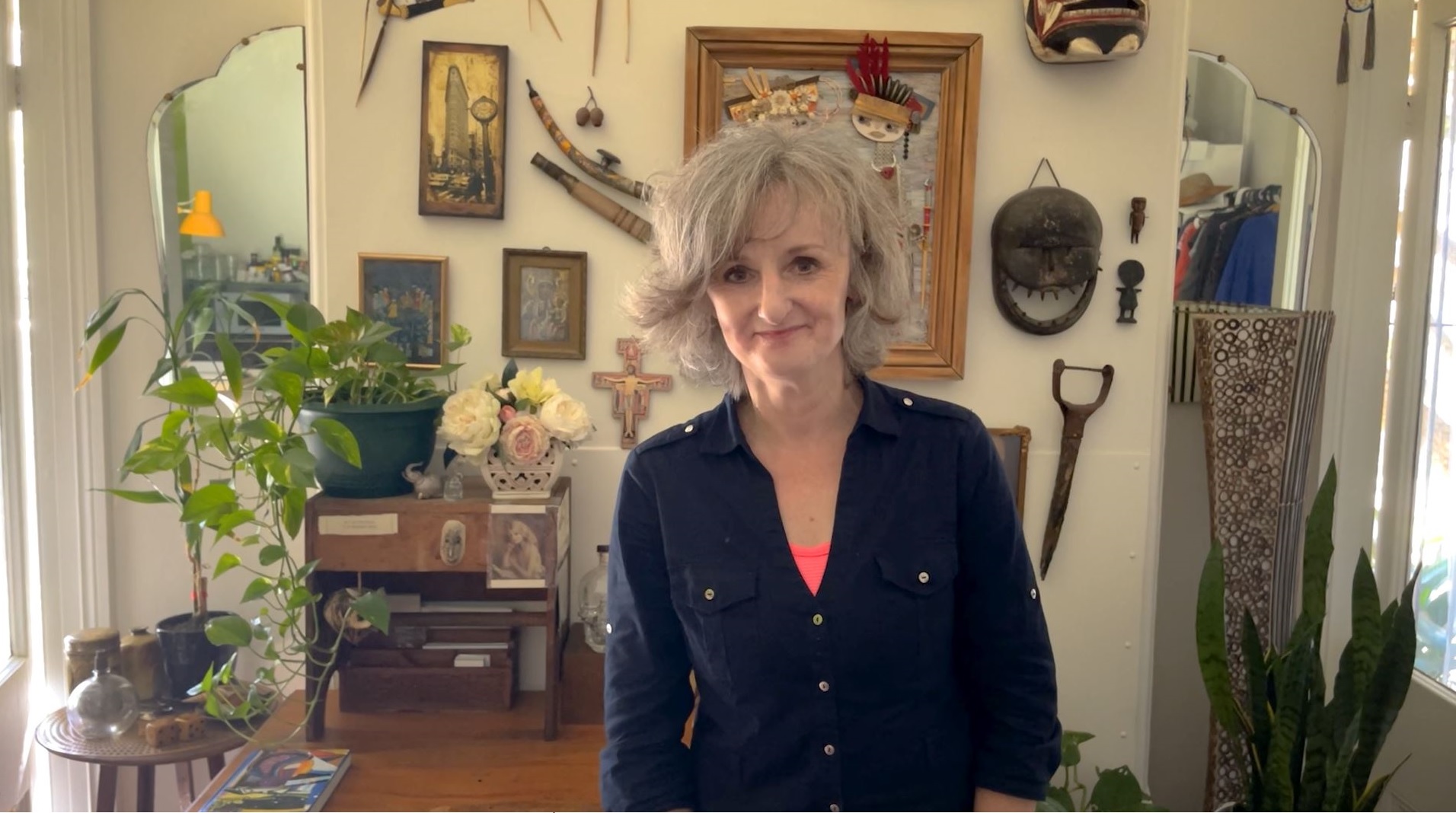
“I never intentionally thought of killing myself; I undoubtedly definitely thought, ‘I wish I could just not carry on living.’
So much has changed in Megan’s life since receiving help from the St Vincent de Paul Society.
“Had you asked me a couple of years ago, do I see myself stopping using drugs and having a normal life, I probably would’ve said ‘no chance’ because I simply didn’t know how.”
Currently staying at a transitional accommodation service operated by the Society in Inner Western Sydney, Megan has been able to work her way back following periods of addiction, homelessness, and incarceration.
“When I came out of jail, I essentially stepped out into nothing. I had one plastic bag of clothes and myself,” Megan recalls.
“Initially it was very exciting… the jubilation of that carried me from Parramatta to Central. But when I got to Central, where I used to live, and realised that there was no home, no possessions – nothing – it really hit me hard.”
Spending several weeks sleeping rough on the streets before being connected with the Society and placed into a women’s refuge, the support of a case worker led to a stay at a rehabilitation service.
“I never intentionally thought of killing myself; I undoubtedly definitely thought, ‘I wish I could just not carry on living,’ because… it’s such a dead end feeling. It’s such a complete dead end, ‘Where do you go from here?’ kind of feeling.”
Moving into a subsequent refuge before taking up her current residence in transitional housing, Megan recognises the transformative impact services like those operated by the Society can have in people’s times of need.
“The last two years of my life, specifically the time that I’ve been living here at transitional accommodation, has turned out to be a really pivotal time in my life.
“I didn’t seek help for long periods of time because I thought I could handle it, because I wanted to fix it myself.
“The important thing is that whenever a person is asking for help, it’s important that they’re able to be identified, directed, and connected with services.
“The services have to be there. The availability of services, funding for services, that people know about services, and that when people are in difficult places someone is able to help identify either they themselves or someone else says, ‘Listen, you’re in a tough spot.’
“Help at any stage is valuable.”
DOMESTIC AND FAMILY VIOLENCE SERVICES
The scourge of domestic and family violence, sadly, remains prevalent throughout society. To meet the growing demand for support, our specialist services have worked tirelessly to ensure women and children feel safe in an environment where they can recover and take steps to rebuild.
The Society supported 2,051 women and children experiencing domestic and family violence over the past year.
In addition to providing immediate safety with crisis accommodation, food, clothing, and specialised counselling to address the trauma experienced by adults and children of varying ages, our staff remain in contact with the people we assist over the long-term to ensure they feel supported whilst living independently in the community.
ACCOMMODATION SERVICES
The St Vincent de Paul Society NSW provides vital crisis and transitional accommodation services, targeted towards specific at-risk demographics, through more than 25 specialist accommodation services in its Vinnies Services directorate. These services provide a range of supports, including case management on-site, along with outreach assistance for people experiencing or at-risk of homelessness throughout the wider community.
Following the easing of COVID-19 restrictions during the course of the financial year, our accommodation services have commenced resuming face-to-face service delivery, while retaining certain measures, such as the use of face masks, to ensure the safety of the vulnerable people we assist.
The continued challenges of housing affordability and increasing rents have led to people turning to the Society for assistance. The trend of migration from metropolitan areas to regional parts of the state, coupled with the lack of available social and affordable housing, remains a pressing issue which has increased the need for services located in Newcastle, North Coast, Riverina, and Wollongong.
The Society is committed to working in partnership with government stakeholders to ensure that people have the support needed to live with dignity.
