
OUR IMPACT 2021/22
HEALTH SERVICES
Ensuring people have access to high quality, accessible and preventative healthcare is crucial to ensuring their wellbeing and reducing the risk of long-term and serious health issues.
The Society performs a specific function through our delivery of healthcare by treating people who fall outside the scope of traditional services. Many of the people we assist experience multiple and complex health issues, including homelessness and substance usage, which requires an informed and compassionate response to bring about the best possible outcomes.
In the 2021/22 financial year, 1,240 people received treatment for Alcohol and Other Drugs (AOD) through services and the Continuing and Coordinated Care Program with an average period of support per patient of 141 days. The main reasons for referral to our AOD services were problematic drug use and mental health. The Continuing and Coordinated Care Program supported 481 people with local assistance administered in Central and Eastern Sydney, Hunter / New England and Central Coast, Murrumbidgee, Nepean and Blue Mountains, South-East NSW, South-Western Sydney and Western Sydney.
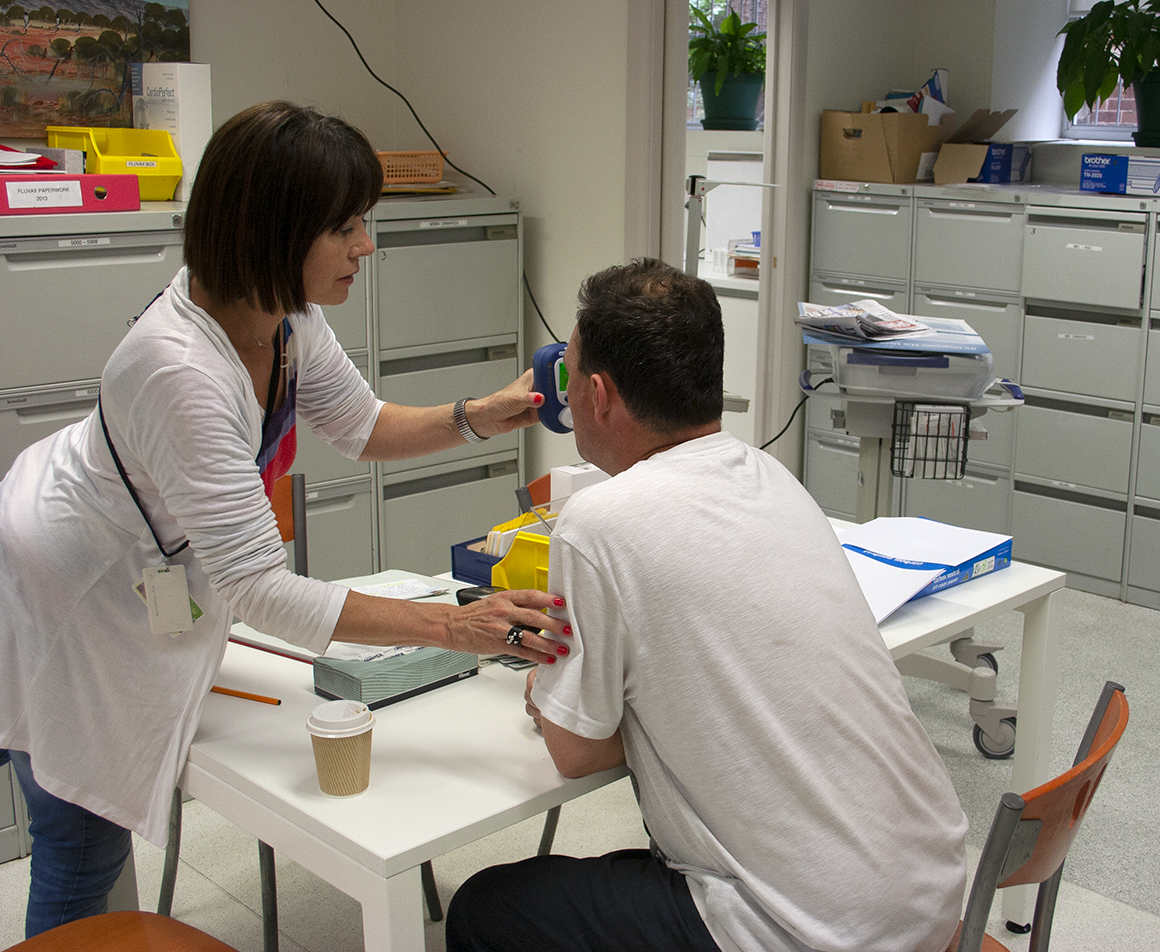
Through the Matthew Talbot Clinic, located in the inner city of Sydney, 11,275 appointments were provided to 529 men during the year; the most common treatments sought were in relation to assisting with medication, with each man receiving 5.5 appointments per month on average.
The Matthew Talbot Clinic also continued to administer COVID-19 vaccines as part of a collaboration between St Vincent’s Health, Kirketon Road Centre, City of Sydney, and the Ozanam Learning Centre to protect vulnerable groups during the pandemic. By the close of the financial year, 6,350 people received vaccinations through the coalition at services including the Society-led Ozanam Learning Centre and Northcott Social Housing Hub.
Frederic House – an aged care facility in Waterloo – supported 50 residents over the course of the year. With the average age of the men receiving treatment being 71.5 years old, the need to ensure their safety in light of their heightened risk resulted in a high take up of the COVID-19 vaccine with more than 80% receiving three doses, and close to 100% of eligible residents receiving a fourth dose. The pandemic impacted the service’s capacity to accept new residents along with refurbishment works, while 13 residents received support through the NDIS.
People supported though our health services reported a satisfaction rate of 71% with their overall quality of life at the end of their support period than at the start.
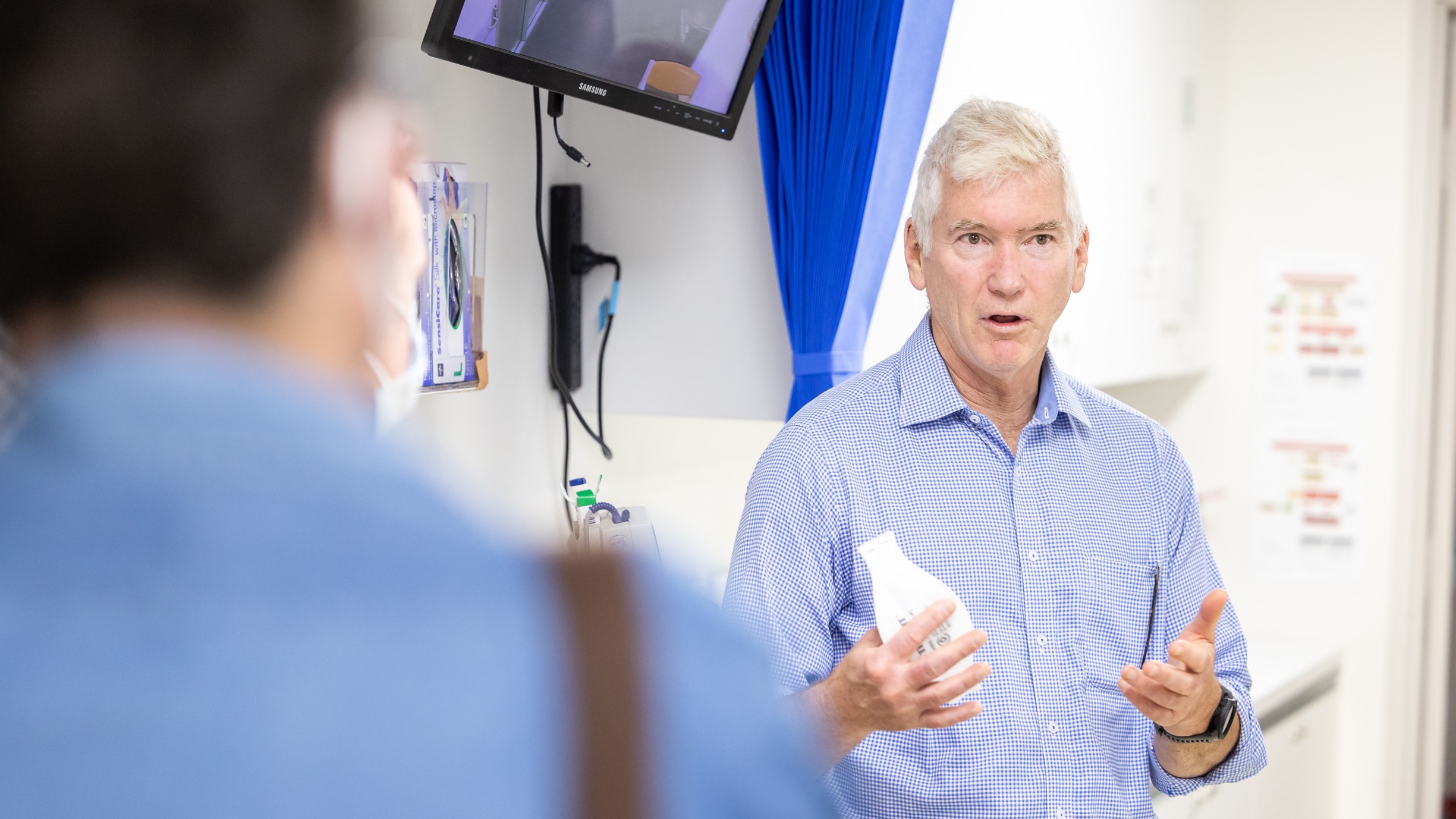
Dr Olav Nielssen, a psychiatrist who treats patients at the Matthew Talbot Hostel Clinic, tells visitors to the Hostel about his work.
THE MATTHEW TALBOT CLINIC

11,275
men accessed the Clinic in the
2021/22 financial year.
The Matthew Talbot Clinic provides a diverse range of health services to patients, including a general practitioner and psychiatric services, optometry, podiatry, drop-in health assessments, smoking cessation, and metabolic health clinics, as well as help with heart failure, diabetes, and blood-borne viruses. The Clinic provides both in-house services and referrals to outside specialists, such as dentists and cardiologists, thanks to the generosity of benefactors and donors to the Society.
SEEING A PREVIOUSLY UNTHINKABLE FUTURE
Harry feels a sense of contentment each time the waves of the ocean wash over him.
It wasn’t that long ago that his every waking moment was consumed by an alcohol addiction.
Experiencing an early life of trauma and regret over opportunities that never eventuated, the 57-year-old first came into contact with the Matthew Talbot Clinic in 2021.
Presenting a self-deprecating front to initially mask his sensitive soul, the clinic staff came to know Harry and gain his trust, all the while he continued to drink daily.
Receiving intervention treatment from the on-site general practitioner and psychiatrist, as well as daily supportive care, Harry’s health was assessed and many ailments treated.
While his condition has improved markedly, Harry has required hospitalisation and been near death on multiple occasions due to the years of alcohol-related harm he has endured.
The situation faced by Harry is, tragically, all too common in Australia.
The most recent report released by the Australian Institute of Health and Welfare revealed two in three people seeking treatment for alcohol usage were men, while alcohol ranked as the most common principal drug of concern for clients aged 50-59 at 59% – almost five times the rate of the next highest drug.
Thanks to the support of the Matthew Talbot Clinic, Harry has managed to remain sober for an extended period with an improved mental wellbeing. The clinic staff have also been able to successfully apply for funding through the NDIS, enabling him to access a support worker three times a week.
Before seeking treatment from the Matthew Talbot Clinic, a social life without alcohol was an unthinkable proposition for Harry.
Now, confident and with an improved outlook on life, he is looking for housing and can see a future for himself.
